Master Versus Tool Framework

Amar Pandit , CFA , CFP

Morgan Housel shares a telling story in his book The Art of Spending Money.

“Entrepreneur David Siegel once built a 90,000 sq. ft. house in Florida. Asked why he was building such a big house; he thought of it for a moment and replied: Because I can. To each their own, but he said nothing about the memories it would enhance or the pleasure it would bring-just Because I can. That, to me, smells like someone whose money has complete control over their personality. Back to the tool: if someone asked why you are using a screwdriver you would not say Because I can. You would say, “Because it helps me hang pictures on the wall and put furniture together.”

That single line ‘Because I can’ reveals a powerful distinction every investor should understand. The difference between being the master of money and being mastered by it.

Money works the same way. Or at least it should.

When money is a tool, it has a job. It buys freedom. It creates security. It funds experiences. It supports people you care about. It aligns with values and priorities. You can explain why you are earning, saving, or spending in clear human terms.

When money becomes the master, the explanation collapses into capability. Bigger house. Bigger car. Bigger portfolio. Not because it adds meaning, but because it is possible. At that point, money is no longer serving life. Life is serving money.

This distinction matters deeply in investing.

Many investors chase returns simply because higher returns are possible. They take risks they do not need. They complicate portfolios they do not understand. They pursue more without asking what the more is for.

A master asks different questions. What problem does this money solve? What does this enable in my life? What trade-offs am I willing to make? What am I protecting, not just growing?

Wealth without intention is noise. Wealth with purpose is clarity.

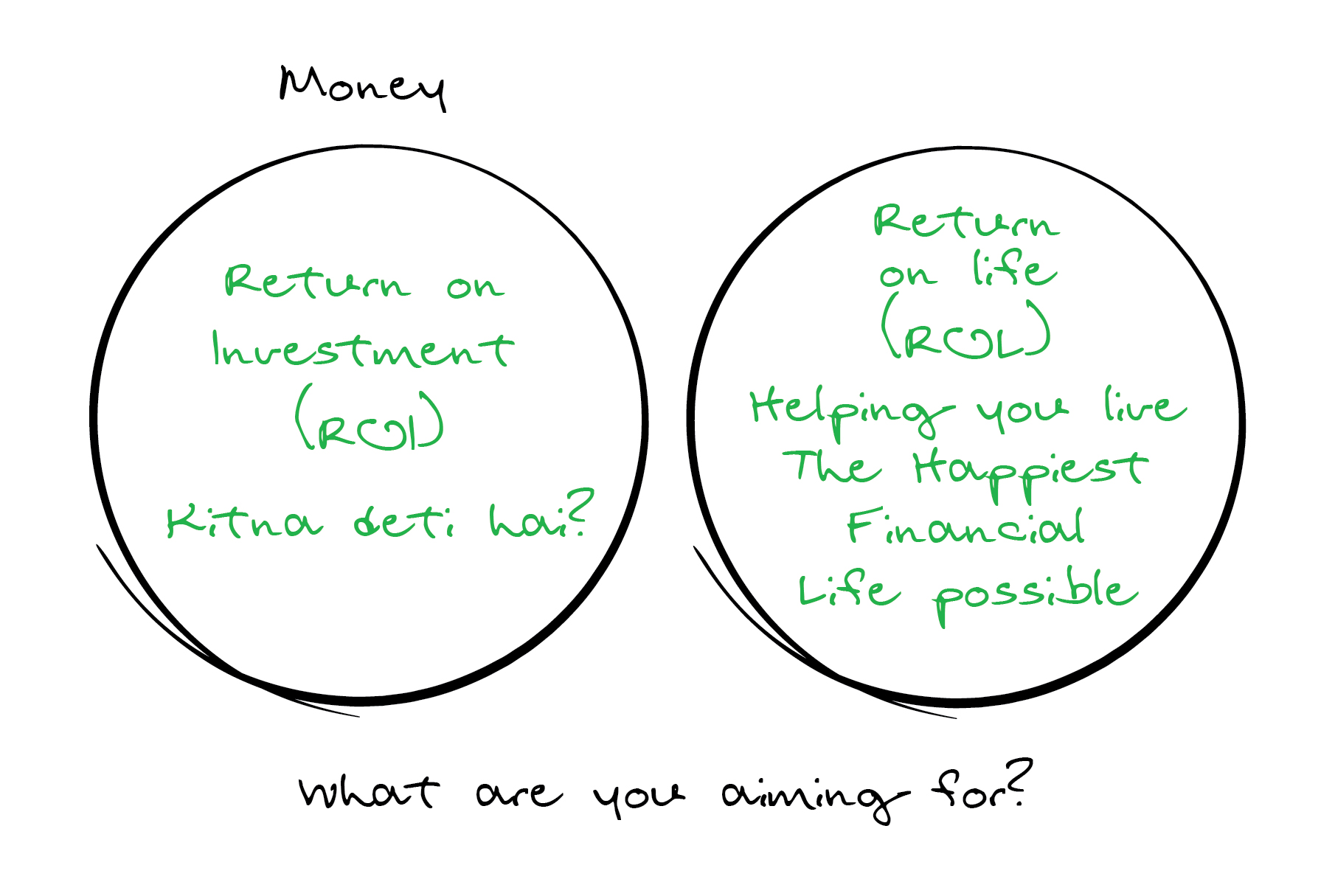
The goal is not to see how far money can go. The goal is to decide where it should go.

When money remains a tool, you remain in control. When money becomes the reason, control quietly slips away.

In investing, mastery begins the moment you stop asking, “How much more can I make?” and start asking, “What is this money meant to do for my life?”